
In each of the B2B / B2G “sector ecosystems” there are technology start-ups. Often at the forefront of innovation. These start-ups are essential to the functioning of this universe as they explore its future.
They may or may not be spin-offs from existing companies or research labs and will focus on exploring and maturing a particular technology and developing one or more products using that technology. Of course not all will succeed in becoming Microsoft or Google and many will fail (that is the hard law of startups) but they will often come up with innovative and promising products, services or business approaches, in addition to those from established companies.
Large companies and technology start-ups
Indeed, large companies are so aware of the importance of technology start-ups that they constantly identify and observe them, sometimes “cocooning” them to preserve and help them grow as suppliers, or even buying them out in order to have a technology or to curb competition. Established companies also seek to generate startup-like mindsets and activities within their own organisations. This is not always without organisational and management difficulties, as it is difficult to allow a start-up to live and grow within a highly structured company.
In the B2B/B2G high-tech world, start-ups play a key role as “technology and product explorers” or, more precisely, as “explorers of the market viability of new technology-based products and services”. This does not prevent large companies from also being great explorers of new technologies and products.
The importance of startups in high-tech B2B/B2G
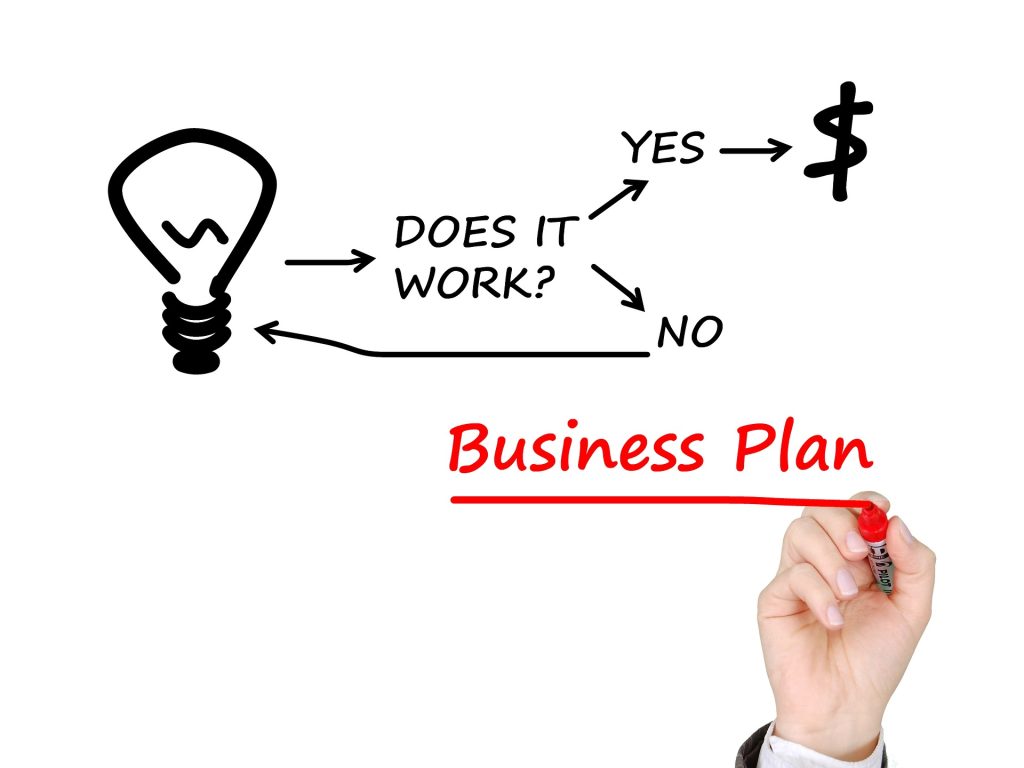
The successes of innovative startups demonstrate that an idea or technology is viable in practice in the marketplace. Their failures show :
- Either the technology or product is not technically or economically viable on the market
- Or they are not yet mature enough, or the market is not yet ready to accept them,
- Or they need to be taken over in a more favourable structure or with more resources.
In this sense, it is necessary for many start-ups to be born and die so that innovative technologies or products that are not carried by large companies (or are carried in a different way) reach maturity in the technology markets.
Start-ups are therefore of particular importance in technology, both as a spur to innovation and as a resource of suppliers or subcontractors, partnerships or acquisitions for larger companies or large groups. Some of these start-ups will succeed in “disrupting” their sector of activity, making a place for themselves and leading established players to adopt their “model” … or to buy them out.
Many sectors involved
There are, of course, a great many startups revolving around each of the major B2B/B2G high tech sectors such as aeronautics, space, chemicals or automotive equipment. In 2022, we can even see startups looking to take up the challenge of nuclear fusion. Instead, we will cite a few examples of these new “tech” sectors in which startups are particularly active, while giving a succinct and non-exhaustive definition:
- Fintech (financial services, payments, cryptocurrencies, security, regtech)
- Biotech (AI, machine learning, immunotherapy, digital health, big data, SAAS)
- Edtech (education, cloud computing, SAAS)
- Insurtech (insurance, on-demand service, deep learning, identity authentication)
- Foodtech (agrotech, sustainable agriculture)
- Proptech (smart homes, smart cities)
- Cleantech and greentech (energy reduction, car charging, pollution control)
From the point of view of the ‘sectors of the future’ in general, such as green technologies, it is not enough for start-ups to exist. It is also necessary that some of them are not sold too quickly (abroad or outside Europe in particular), that they can grow to become TVEs and then large companies.
This does not only depend on entrepreneurship and startups themselves. It also depends on civilian and sometimes military funding as well as on “innovation ecosystems” (laboratories, startups, networks, funders at different stages of development), which Silicon Valley has shown to be very interesting and effective in the IT field.
Let us hope that France and Europe, even with more modest means than those of the United States, manage to put in place the essential means and ecosystems that will allow both technological startups to multiply and ensure that certain startups of today become the champions of tomorrow in the economic sectors of the future.